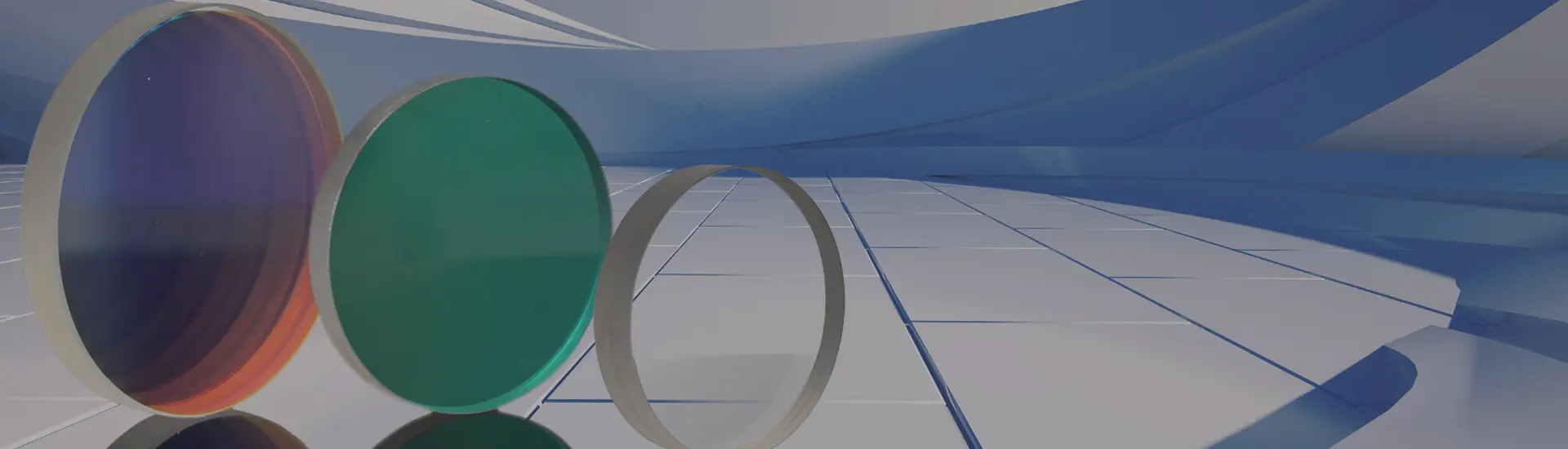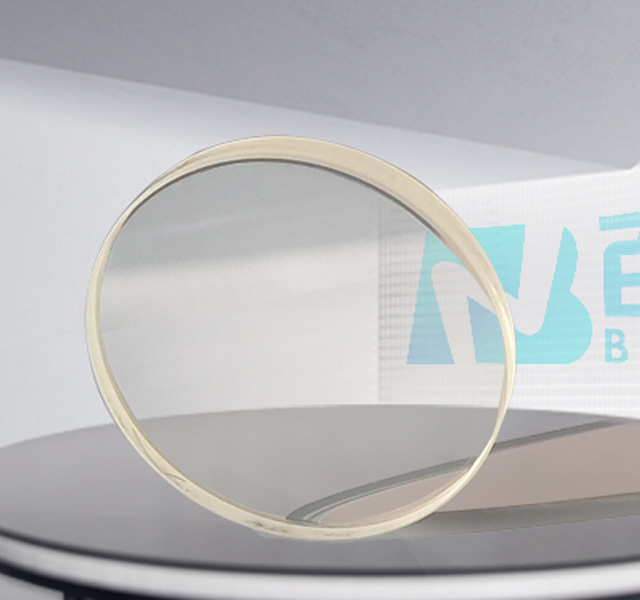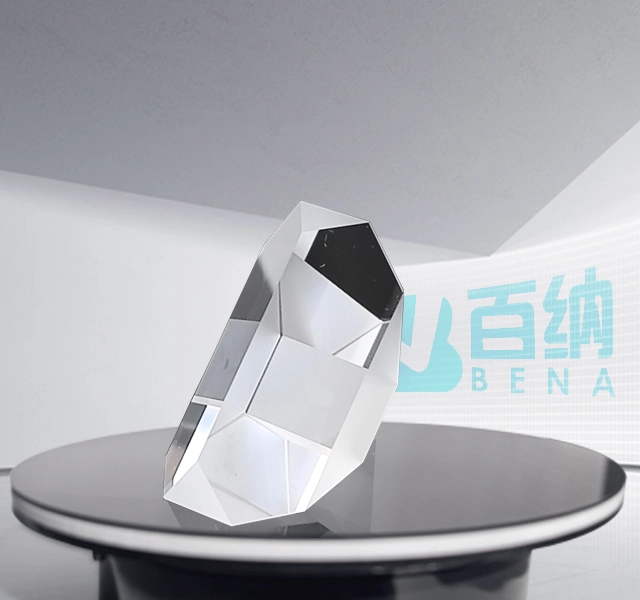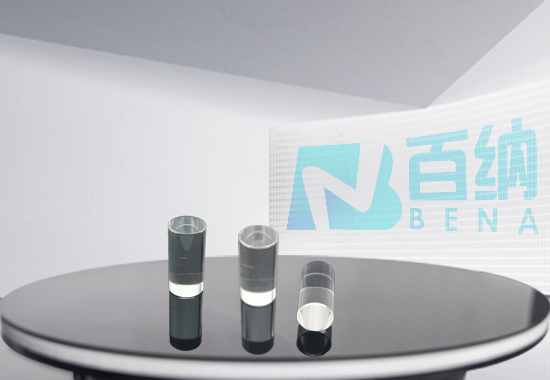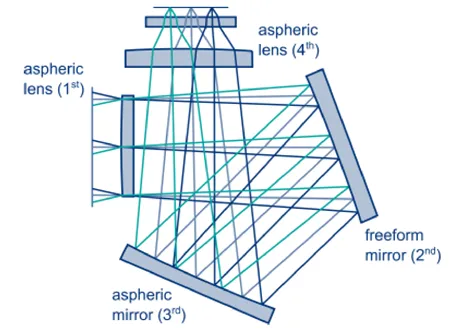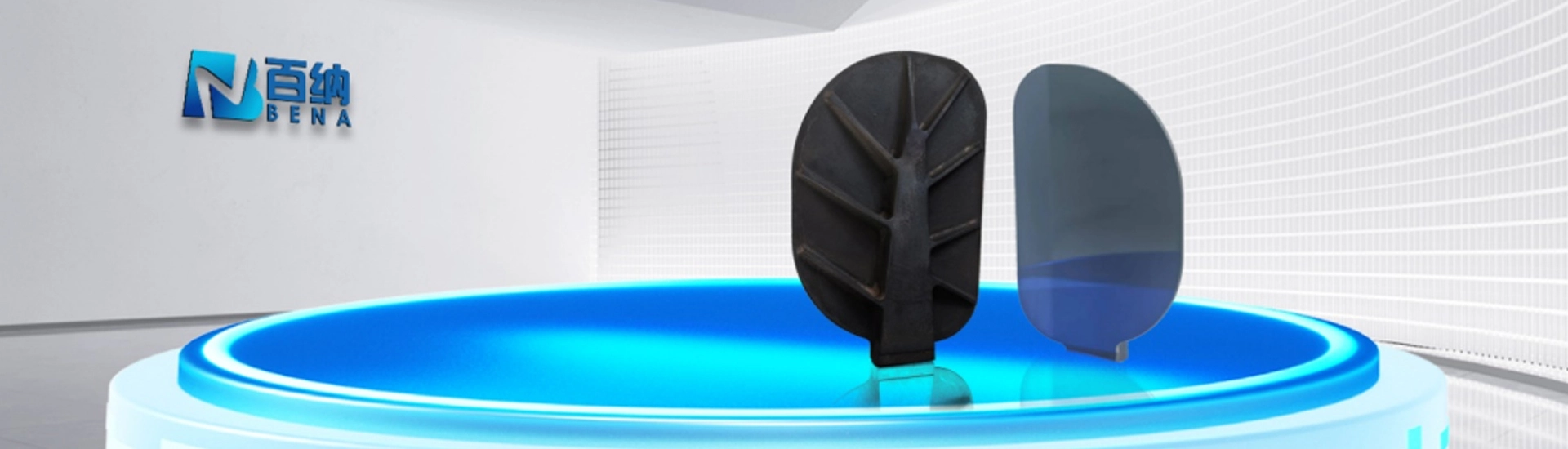

The Sapphire Dome is a high-performance optical window or protective cover made primarily from sapphire crystal. Renowned for its exceptional hardness, outstanding scratch resistance, and superior chemical stability, sapphire maintains excellent optical properties under extreme temperatures, corrosive environments, and high-pressure conditions. This makes it ideal for applications that demand high reliability and durability. Sapphire domes are widely used in advanced fields such as deep-sea exploration, infrared imaging, and precision instrumentation. They serve as protective covers for sensors, camera windows, or components in optical systems, ensuring stable performance of critical equipment in harsh environments.
1. Exceptional Hardness & Superior Wear Resistance
Mohs hardness of 9 (second only to diamond), providing outstanding scratch resistance against sand, high-speed particles, or mechanical abrasion (e.g., erosion from airflow debris during missile flight).
Ideal for extreme wear environments: Maintains surface integrity in deserts, oceans, or industrial dust conditions, significantly outperforming ordinary glass or quartz windows.
2. Broad-Spectrum Optical Transmission
Multi-spectral compatibility: High transmittance across ultraviolet (0.15–0.4μm), visible light (0.4–0.7μm), and mid-infrared (3–5μm) wavelengths (e.g., >85% transmittance at 3–5μm, >90% after coating).
Supports diverse imaging applications: Meets requirements for infrared guidance, ultraviolet detection, and visible light observation systems.
3. Extreme Environmental Durability
High-temperature resistance: Operates continuously at temperatures up to 400°C (vs.<200°C for standard glass), suitable for aerospace engines and rocket nozzles.
Radiation resistance: Unaffected by X-rays, UV radiation, and cosmic rays, ensuring stability in space or nuclear environments.
Corrosion resistance: Withstands strong acids (e.g., sulfuric acid, hydrochloric acid), alkalis, and organic solvents, ideal for chemical processing and marine applications.
4. Outstanding Mechanical Strength & Reliability
High flexural/compressive strength: Flexural strength >400MPa, compressive strength >2000MPa; resists deformation under extreme stresses like fighter jet aerodynamic pressure or deep-sea hydrostatic pressure.
Long lifespan: Maintains structural integrity under high-frequency vibration, impact, or cyclic loading, far exceeding the durability of conventional optical windows.
5. Precision Optics & Surface Quality
Optical performance precision: Uniform refractive index (e.g., n=1.76@3.7μm) and surface roughness<5Å, ensuring minimal scattering and maximal light transmission.
Stringent surface standards: Scratch/dig defects comply with MIL-O-13830 (e.g., Scratch/DIG 60/40), with bubble/impurity content<1 per cm² to minimize optical distortion.
6. Flexible Design & Environmental Adaptability
Tight dimensional tolerances: Outer/inner diameter tolerances controlled within ±0.05mm, thickness ±0.04mm; standardized edge chamfers (e.g., 0.2×45°) for seamless system integration.
Broad environmental compatibility: Operating temperature range of -60°C to +400°C, impact resistance >5J, and pressure resistance >10MPa, suitable for deep-sea to space applications.

| S1 | MATERIAL | S2 |
| R35±0.04CX | MATERIAL:OPTICAL GRADE SAPPHIRE, C-axis±2 deg,99.996% | R32±0.04CC |
| ∅66 | n(3.7 μm)=1.768234±0.002 | ∅61.61 |
| CHAMFER:0.2×45° | v(3.7μm)=72.24 | CHAMFER:- |
| Ⓐ AR @3.2 TO5μm(Avg T>%90, AOI=0°) | 0/- | ⒶAR@3.2 TO 5μm (Avg T>%90. AOI=0°) |
| 3/-(2.0)@0.6328μm any∅50 | 1/- | 3/-(2.0) @0.6328μm any ∅50 |
| 4/1' | 2/- | 4/1' |
| 5/ | 5/ | |
| 6/ | 6/ | |
| SCRATCH/DIG 60/40 | SCRATCH/DIG 60/40 |
The core value of Sapphire Dome lies in its dual functionality of "protection + optical transmission," making it indispensable
in high-end industrial and scientific research applications:
High-temperature furnace/reactor observation windows: Utilized in metallurgy and chemical industries to enable real-time
monitoring of internal high-temperature (<800℃) reaction processes.
Laser system windows: Serve as input/output windows for high-power lasers (e.g., fiber lasers, CO₂ lasers),
requiring resistance to high energy density without damage.